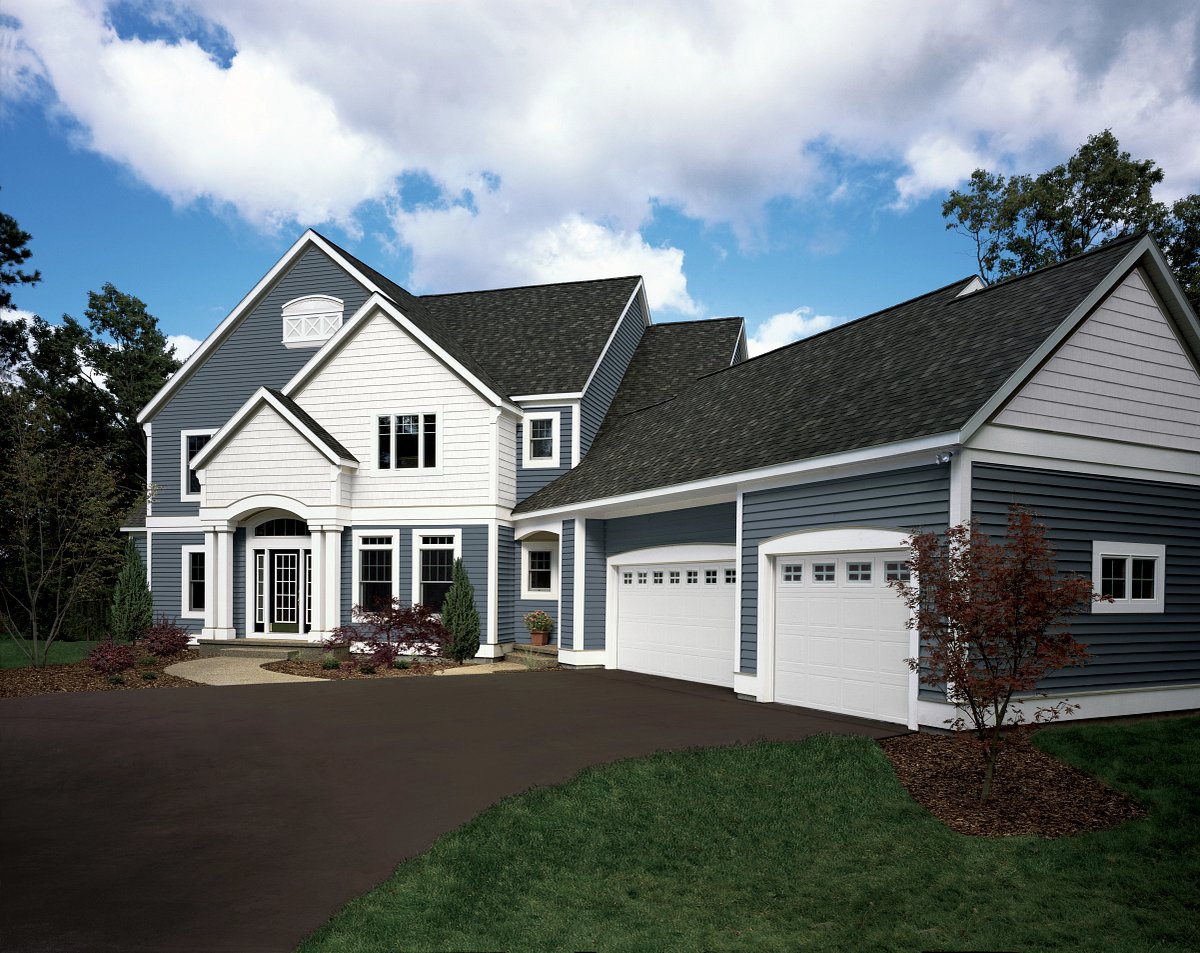
Traditional clapboard
Even horizontal courses create the familiar painted-wood look. Narrower exposures feel historic; wider boards read casual and contemporary.
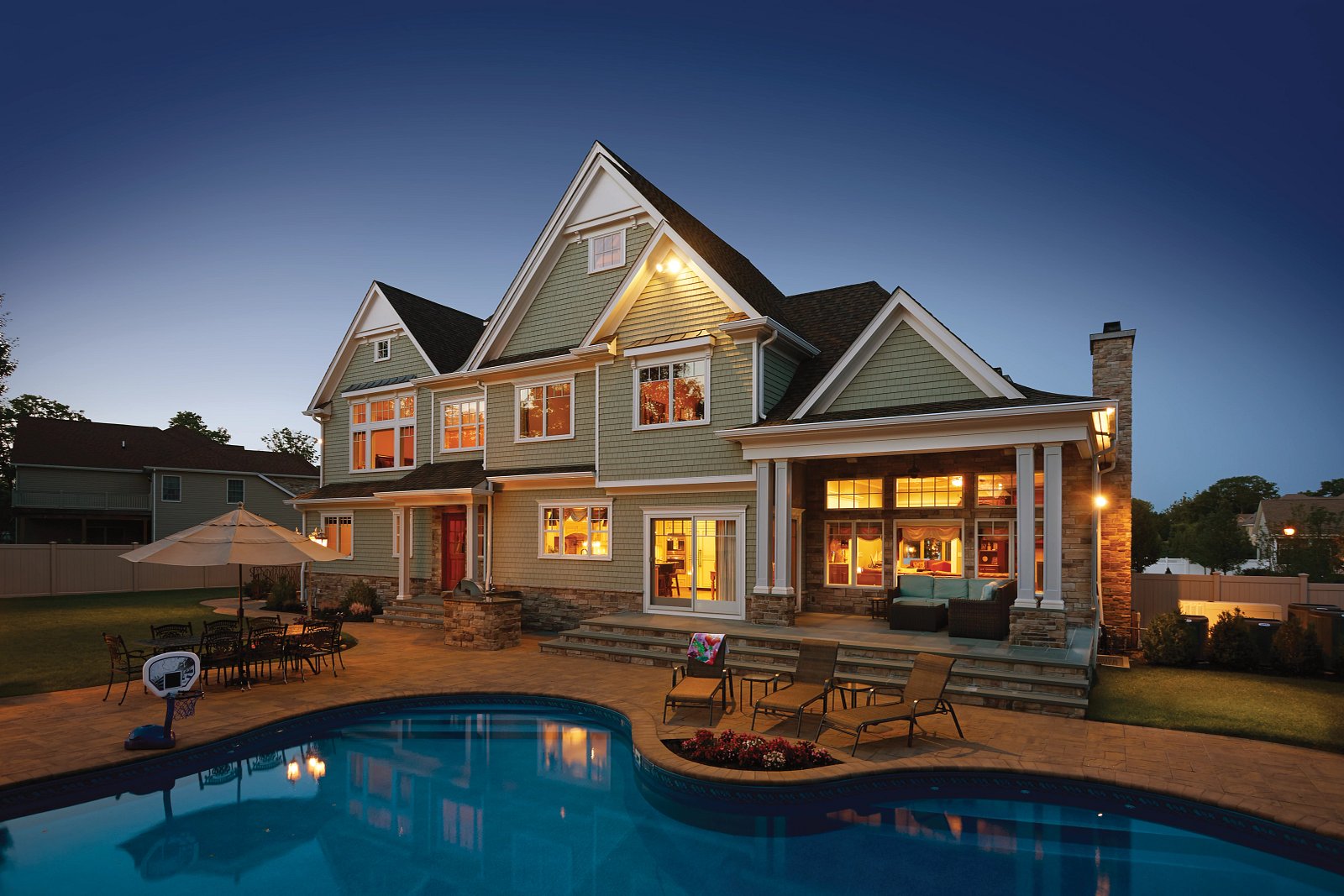
Today’s vinyl can be quiet and traditional, sharply vertical, shake-textured or insulated—often at the most approachable installed price.
Panel thickness, lock design, color-through construction and installer detailing separate entry-level products from premium systems.
Even horizontal courses create the familiar painted-wood look. Narrower exposures feel historic; wider boards read casual and contemporary.
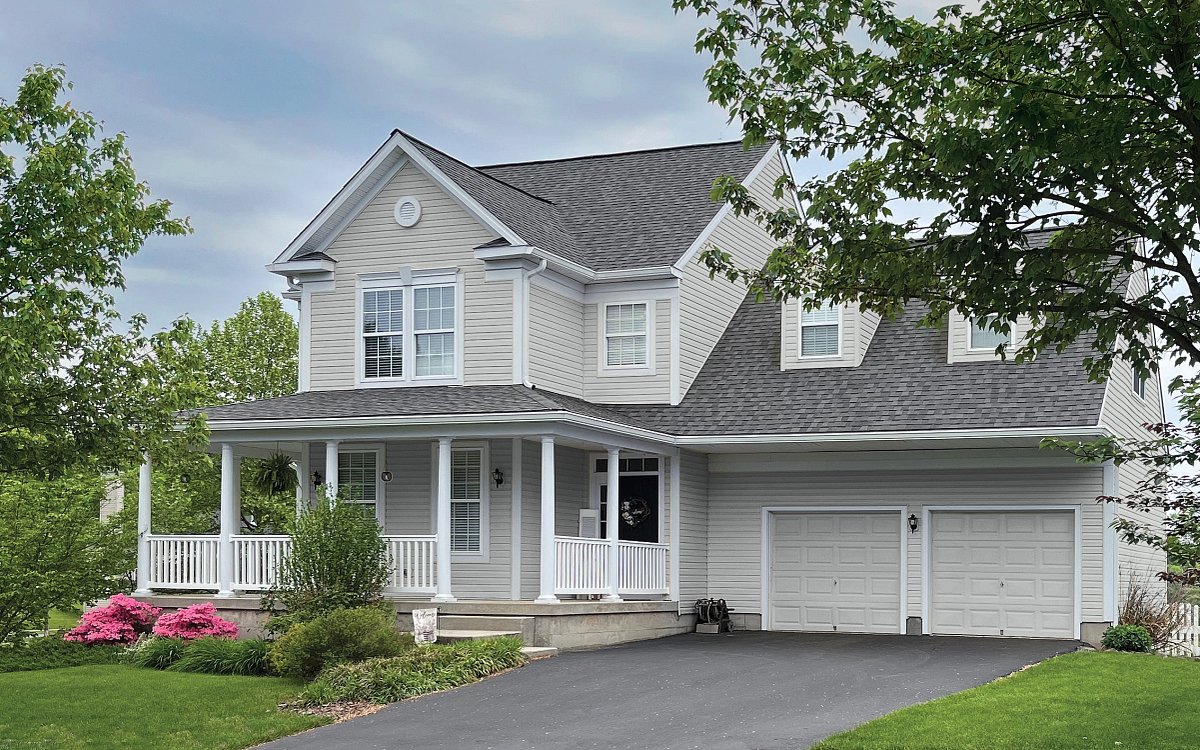
A recessed top edge creates a strong shadow line that gives flat walls extra depth. It is a popular bridge between traditional and contemporary.
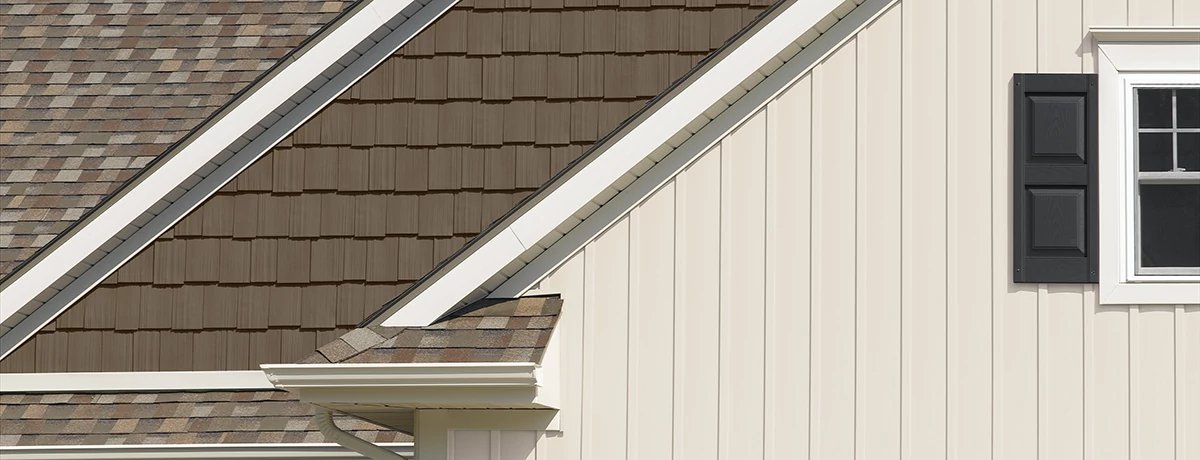
Vertical vinyl panels deliver the board-and-batten rhythm with very little finish maintenance. Use it all over or on gables for contrast.
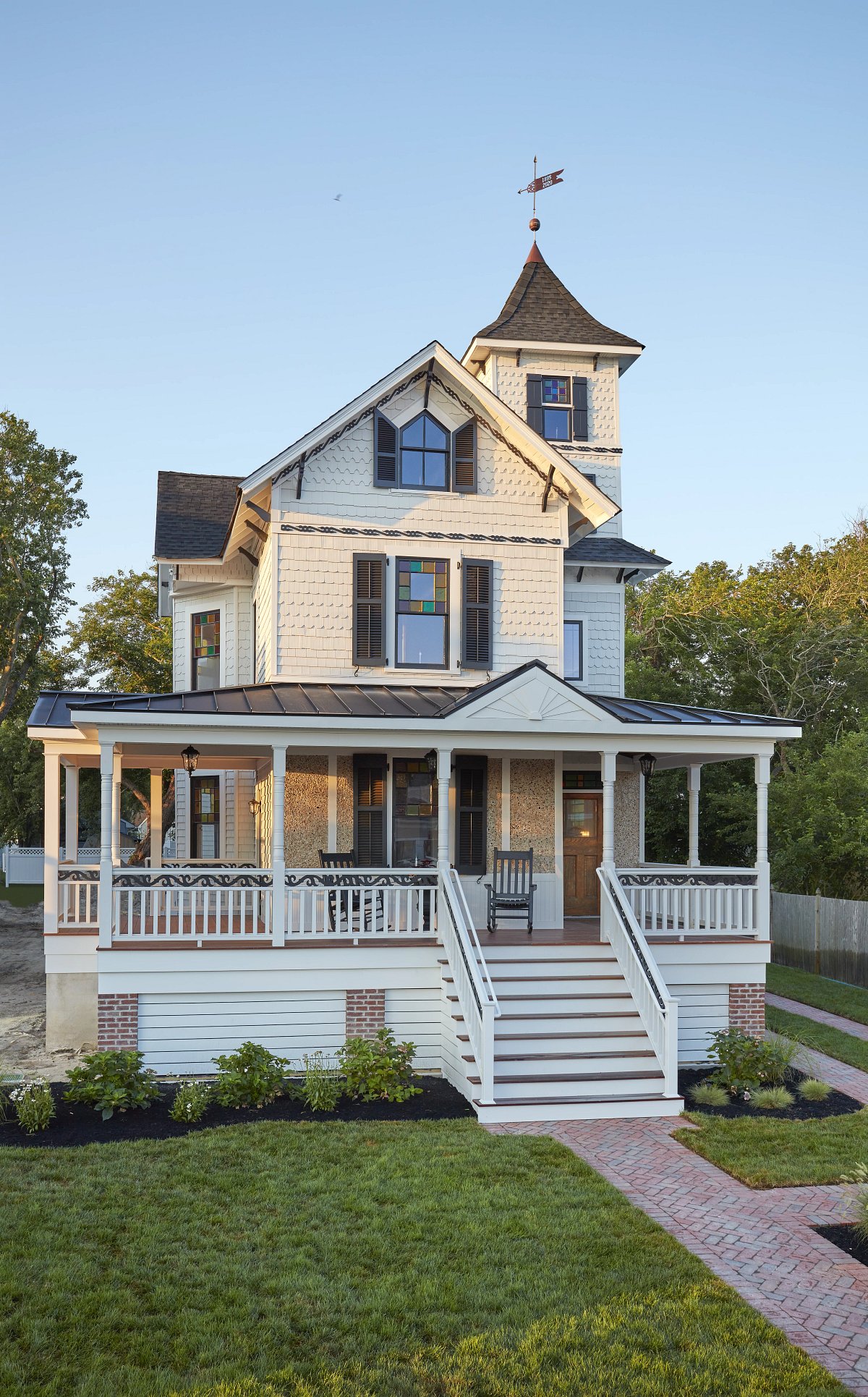
Molded shake, shingle and scalloped panels bring texture to gables and porch fronts. Varied edge patterns can lean rustic or Victorian.
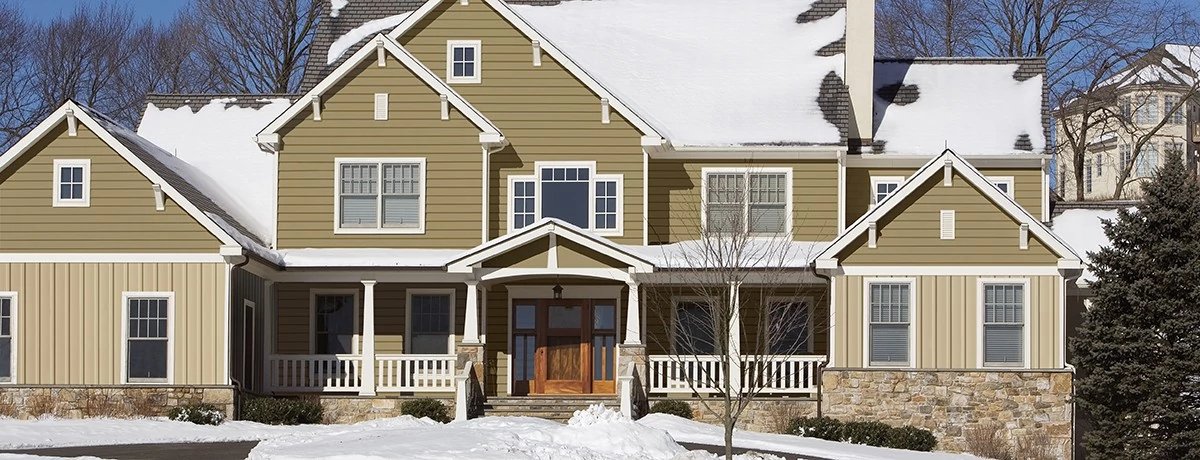
Rigid foam backing supports the panel, softens wall irregularities and adds continuous insulation. It costs more, but feels more substantial.
Vinyl is colored through, never needs painting and sheds rain with simple cleaning. A complete system includes weather-resistive barrier, flashing, starter strips, trim channels and ventilation-aware details.
A useful comparison includes upkeep and design flexibility—not just the initial bid.
Vinyl expands and contracts; panels must hang freely. Poor fastening can cause buckling or oil-canning.
A replacement panel may not match years of weathering, and discontinued colors can complicate spot repairs.
Vinyl can melt or deform near high heat. It is not a noncombustible cladding.
Pacifex can bring profile and color samples, review exposure and trim details, and price the styles that fit your home. Mixing profiles—such as lap with shingle accents—can add character without using a premium style everywhere.
Schedule a siding consultation