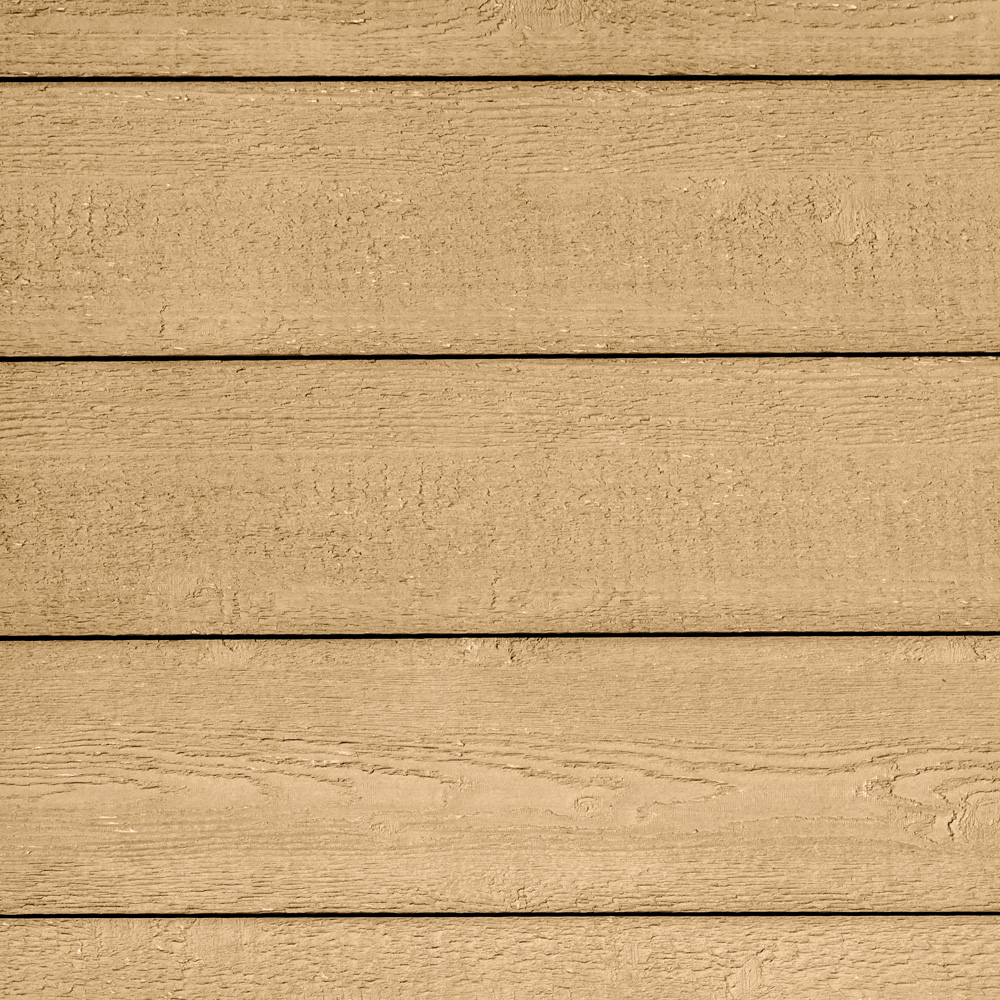
Bevel lap
Tapered boards overlap into fine horizontal shadow lines. Clear grades feel tailored; knotty cedar creates a more informal woodland look.
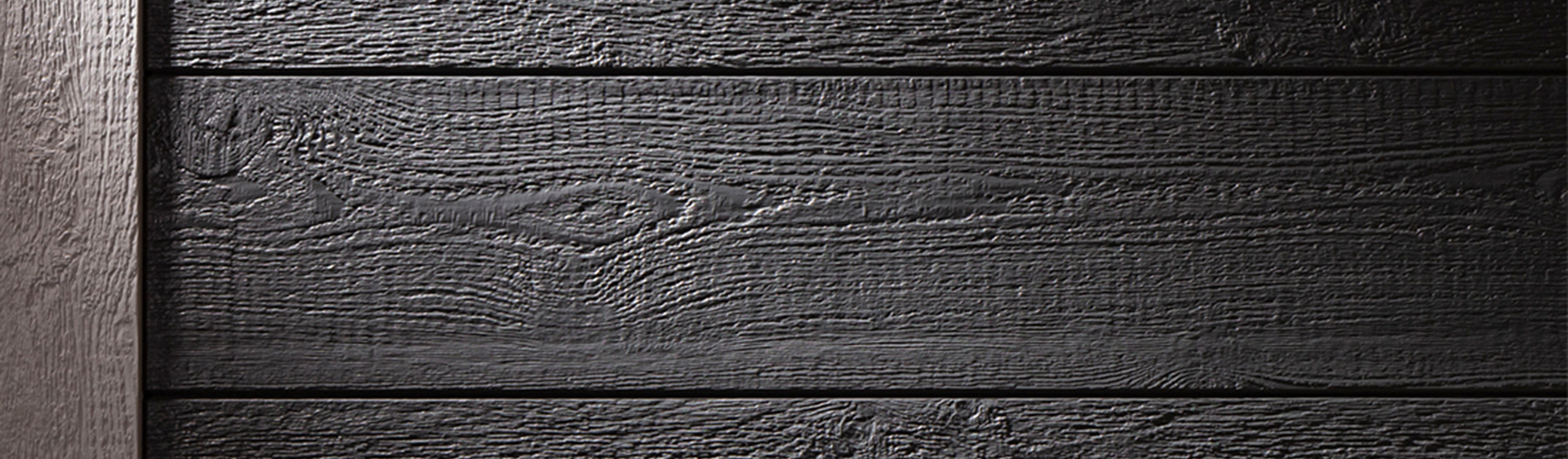
Every board carries its own grain and tone. Cedar rewards homeowners who value authentic material and accept the maintenance that keeps it beautiful.
Grade, species, cut, profile and finish all matter. Clear vertical-grain boards create a refined elevation; knotty grades feel relaxed and rustic.
Tapered boards overlap into fine horizontal shadow lines. Clear grades feel tailored; knotty cedar creates a more informal woodland look.
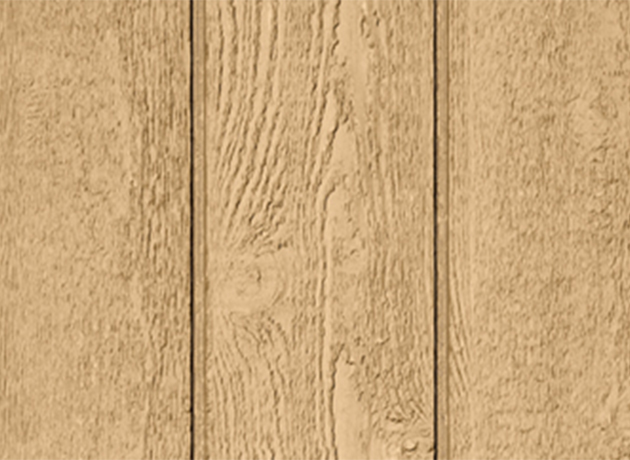
Wide vertical boards covered at the seams with narrow battens create bold relief and a strong handcrafted presence.
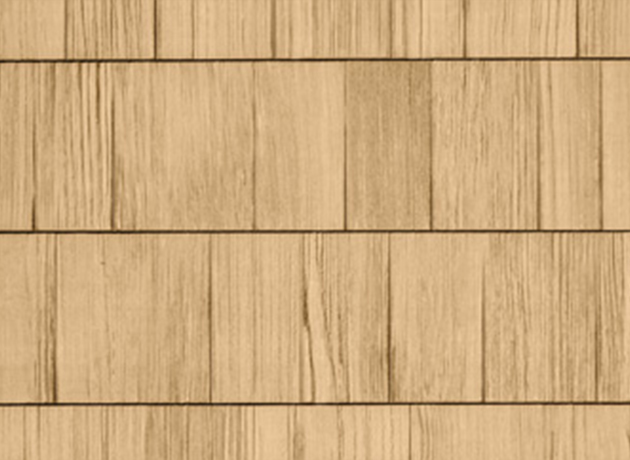
Sawn shingles feel precise; split shakes are thicker and more irregular. Both wrap curves and gables beautifully as the color weathers.
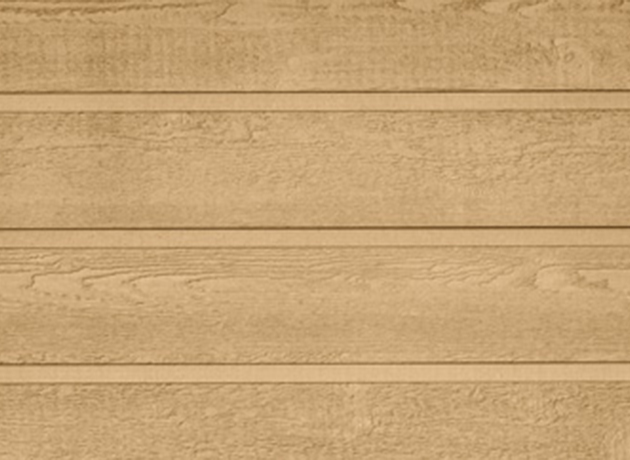
A recessed channel between boards produces strong lines and a cabin character. It can run horizontally or vertically depending on the wall assembly.
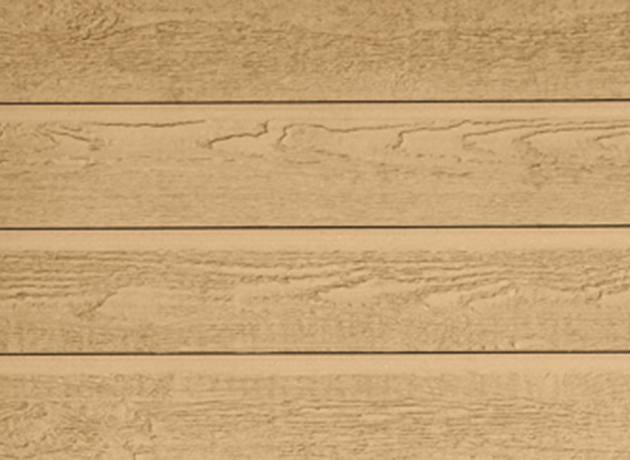
Interlocking edges create a smooth, continuous surface for protected walls, soffits and modern accents. Narrow vertical layouts feel especially architectural.
Cedar is lightweight, workable and naturally resistant to decay. It can be stained to show grain, painted for a tailored finish, or allowed to weather silver where the assembly and homeowner expectations permit.
A useful comparison includes upkeep and design flexibility—not just the initial bid.
Stain or paint needs renewal. South- and west-facing walls often weather faster than protected elevations.
Untreated cedar is combustible. Local wildfire-zone requirements may restrict assemblies or require listed treatments.
Boards can check, cup or vary in tone. Good acclimation, back-priming, ventilation and fastening reduce problems.
Pacifex can bring profile and color samples, review exposure and trim details, and price the styles that fit your home. Mixing profiles—such as lap with shingle accents—can add character without using a premium style everywhere.
Schedule a siding consultation