Why a Proper Weather Barrier Is the Most Important Part of Your Siding Job
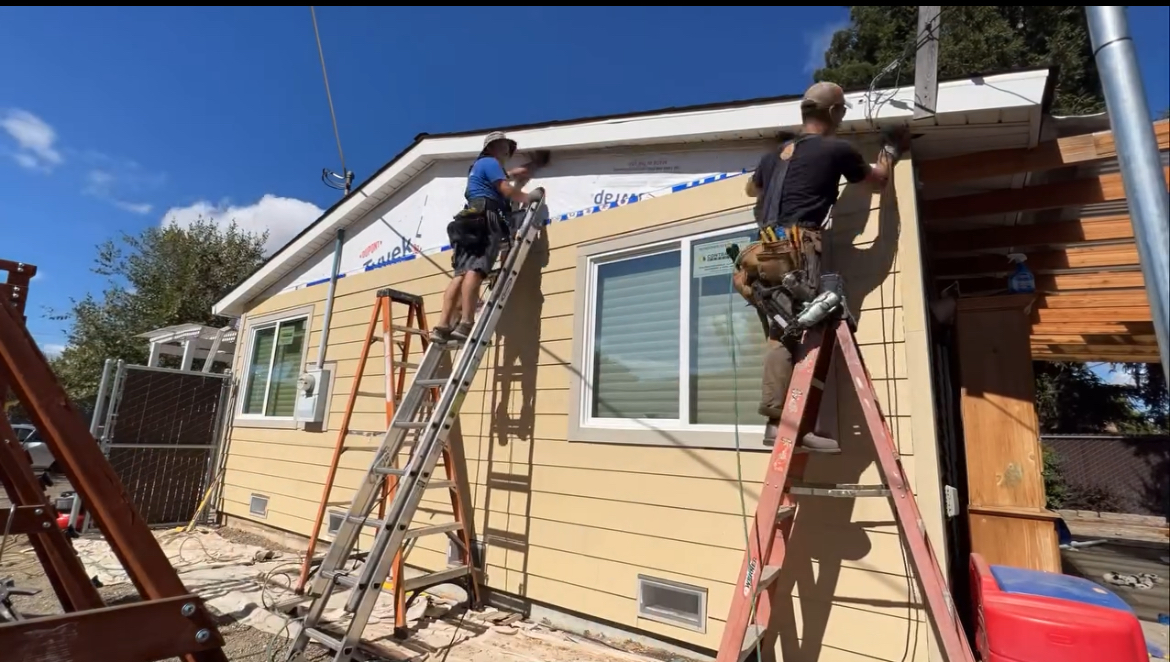
When homeowners picture a siding project, they think about color, texture, and curb appeal — the part they can see. But the most important component of any siding job is the part you'll never see again once the work is done: the weather barrier behind it. Get it right, and your home stays dry for decades. Get it wrong, and no amount of beautiful siding will save the wall behind it.
What a Weather Barrier Actually Does
Siding is the first line of defense, but it is not waterproof. Wind-driven rain, condensation, and humidity all find their way behind it. The job of the weather barrier system — house wrap, flashing, and moisture barriers — is to manage that water and route it safely back out before it reaches your sheathing and framing.
- House wrap is a breathable membrane that blocks liquid water while letting water vapor escape, so walls can dry.
- Flashing directs water around the vulnerable points — windows, doors, penetrations, and transitions — where leaks almost always begin.
- Integrated detailing ties the wrap and flashing together in shingle fashion so every layer overlaps the one below it.
What Happens When It's Done Wrong
A weather barrier installed carelessly is worse than none at all, because it hides the damage while it grows. Reverse-lapped house wrap funnels water into the wall. Missing or backwards flashing lets rain pour behind windows. Torn membrane and unsealed seams create entry points that go unnoticed for years.
The result is predictable: trapped moisture leads to mold, wood rot, and structural damage. By the time stains, soft spots, or musty odors appear inside, the framing may already be compromised — an expensive repair that a proper barrier would have prevented entirely.
What a Quality Installation Looks Like
When evaluating a contractor's moisture protection, look for continuous house wrap with seams properly taped and overlapped, flashing integrated at every window, door, and penetration, and careful sealing wherever the building is broken through. Quality work also follows the siding manufacturer's installation requirements — cutting corners here can void warranties on the siding itself.
How Pacifex Approaches Moisture Protection
At Pacifex, we treat the weather barrier as the heart of the project, not an afterthought. Every wall gets a properly lapped, fully sealed house wrap system with flashing integrated at all openings and transitions, installed to both code and manufacturer specification. As exterior systems specialists, we build the wall as one coordinated assembly — barrier, flashing, and siding working together — so your home is protected long after the project looks finished.
Planning a siding project and want it done right from the studs out? Contact Pacifex for a free estimate and let us show you what real moisture protection looks like.