5 Signs Your Deck Needs to Be Replaced (Not Just Repaired)
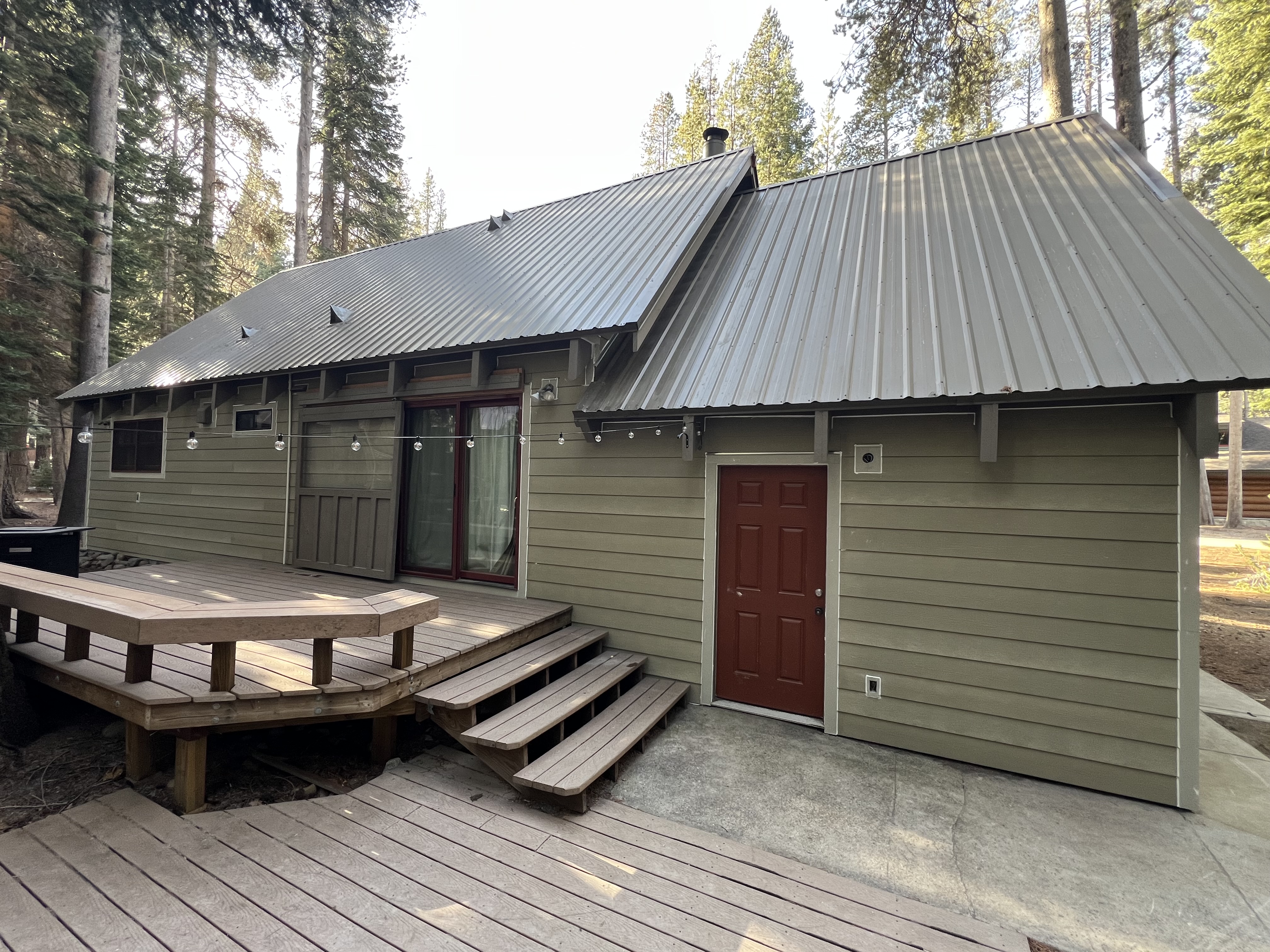
A deck is one of the most-used features of any home — and one of the most overlooked when it comes to safety. Boards get walked on every day, but the structure underneath quietly weathers years of moisture, sun, and load. At some point, patching a few boards stops being enough. Here are five signs your deck has crossed the line from "repair" to "replace."
1. Widespread Rot in the Structure
Surface boards are easy to swap out, but rot in the framing, joists, or beams is a different story. Press a screwdriver into the wood at several points; if it sinks in easily or the wood feels soft and spongy, decay has reached the load-bearing structure. Once rot is widespread in the framing, replacement is safer and more cost-effective than chasing it board by board.
2. A Failing Ledger Board
The ledger board attaches your deck to the house, and it is responsible for a large share of deck collapses. Look for loose or rusted fasteners, separation from the wall, missing flashing, or water stains on the siding beneath it. A compromised ledger is a serious hazard — this is not a wait-and-see item.
3. Wobbly or Sinking Posts
Support posts and footings carry the entire deck. If posts feel loose, lean, or have shifted, or if footings have heaved or sunk, the deck's foundation is no longer reliable. Posts in direct contact with soil are especially prone to rot at the base, where you can't easily see it.
4. Corroded or Failing Fasteners
Nails, screws, joist hangers, and connectors hold everything together. Widespread rust, popped nails, or hangers pulling away from the framing signal that the connections are failing. When fasteners throughout the deck are corroding, individual fixes rarely restore the strength the structure has lost.
5. Extensive Surface Deterioration
Deep cracks, splintering, cupping, and large areas of soft or discolored decking point to a surface at the end of its life. If more than a handful of boards are affected — or if the same problems keep returning after repairs — you're maintaining a deck that's telling you it's done.
Safety First: Get a Professional Inspection
Many of the most dangerous deck problems are hidden in the framing, ledger, and footings where homeowners can't easily evaluate them. A professional inspection identifies whether your deck can be safely repaired or has reached the point of replacement — before a failure puts your family at risk.
Not sure where your deck stands? Contact Pacifex for a professional inspection and a free estimate, and get an honest assessment from a licensed exterior specialist.