Fiber Cement vs. Vinyl Siding: What Pacific Northwest Homeowners Need to Know
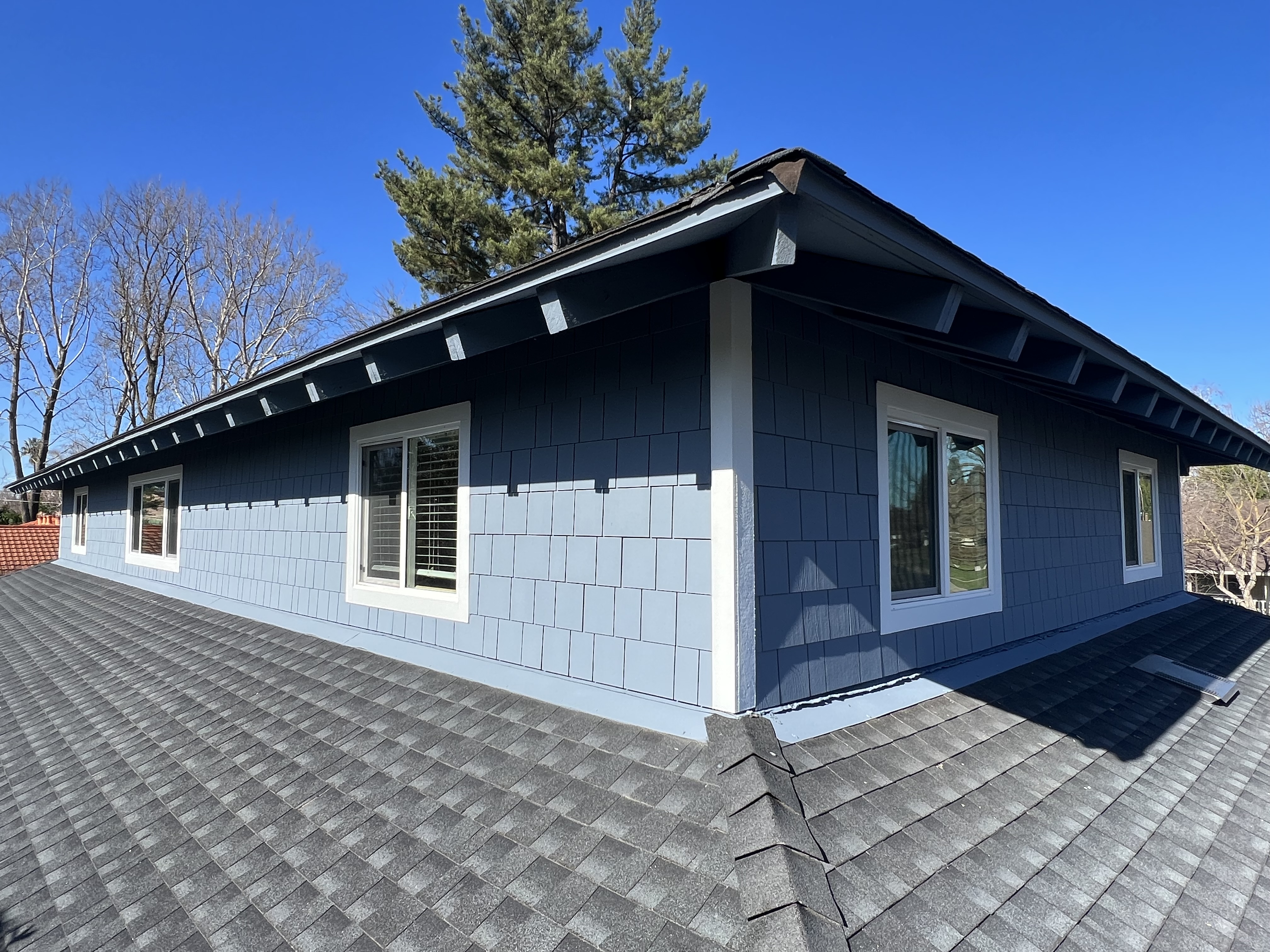
If you're re-siding your home in the Pacific Northwest, two materials dominate the conversation: fiber cement and vinyl. Both are popular, both are marketed as low-maintenance, and both come with very different long-term outcomes in our damp, variable climate. Understanding how each performs against moisture, weather, and time will help you protect what is likely your largest investment.
Built for a Wet Climate: Durability
Vinyl siding is a thin, hollow PVC product. It installs quickly and resists rot because it isn't organic, but it is vulnerable to the things our region delivers in abundance. Cold snaps make vinyl brittle and prone to cracking, while summer heat and direct sun can warp or buckle panels. Wind-driven debris can punch through it.
Fiber cement — specifically James Hardie HardiePlank — is engineered from cement, sand, and cellulose fibers. It is roughly five times thicker than vinyl, resists impact and warping, and carries a 30-year non-prorated warranty. It is also non-combustible, an increasingly important factor as wildfire risk grows across the West.
Moisture Resistance Where It Counts
In the Pacific Northwest, moisture is the enemy of every exterior. Vinyl's interlocking panels can trap water behind them, and because it is not sealed to the wall, wind-driven rain frequently gets through to the sheathing. HardiePlank is dimensionally stable, will not absorb water and swell the way wood-based products do, and — when paired with proper flashing and a weather barrier — forms part of a genuinely water-managed wall system.
Paint Longevity: ColorPlus Technology
Vinyl color is molded in, which sounds convenient until it fades unevenly and can't be easily refreshed; repainting vinyl voids most warranties. HardiePlank with ColorPlus Technology uses a factory-applied, baked-on finish engineered to resist chipping, peeling, and UV fading, backed by a 15-year finish warranty. The result is consistent, fade-resistant color that holds up to our gray winters and bright summers without constant upkeep.
Long-Term Value
Vinyl wins on upfront cost, but the comparison changes over the life of the home. Fiber cement lasts 30 to 50 years, recoups roughly 70–80% of its cost at resale, and rarely needs more than periodic cleaning. Vinyl's lower price is often offset by earlier replacement, fading, and weather damage. For a forever home in a demanding climate, fiber cement is the stronger long-term value.
The Bottom Line
Vinyl can make sense for tight budgets or rental properties, but for homeowners who want lasting protection, authentic curb appeal, and the best return on investment, James Hardie HardiePlank with ColorPlus is the clear choice for Pacific Northwest conditions.
Ready to compare your options with a specialist who installs to manufacturer spec? Contact Pacifex for a free estimate and let us help you choose siding built for the way you live.